People love to complain about the price of food.
“Good food is expensive. Bad food costs you twice.”
I get it. Groceries are expensive. Restaurants are expensive. A decent block of cheese now requires a small bank loan and a co-signer.
But after spending most of my life in kitchens, I’ve learned something.
Cheap food isn’t always cheap.
Sometimes it’s the most expensive thing you’ll buy.
We’ve all done it. You’re standing in the grocery store staring at two options. One costs a few bucks more. The other is suspiciously cheap.
Your brain says, “Look at me saving money.”
Three days later you’re throwing half of it in the garbage because it tasted like cardboard, spoiled early, or nobody wanted to eat it.
Congratulations. You paid for it once at the store and again when you replaced it.
Bad food costs you twice.
The same thing happens in restaurants.
People will spend twenty dollars on a meal that leaves them hungry, disappointed, and searching for snacks an hour later. Then they’ll complain that a thirty-dollar meal made with quality ingredients is too expensive.
I used to watch this happen all the time.
Guests would question the price of a dish that took hours to prepare but think nothing of spending money on mediocre food that delivered absolutely zero joy.
Here’s a dirty little kitchen secret:
Good ingredients cost money.
Real butter costs more than fake butter.
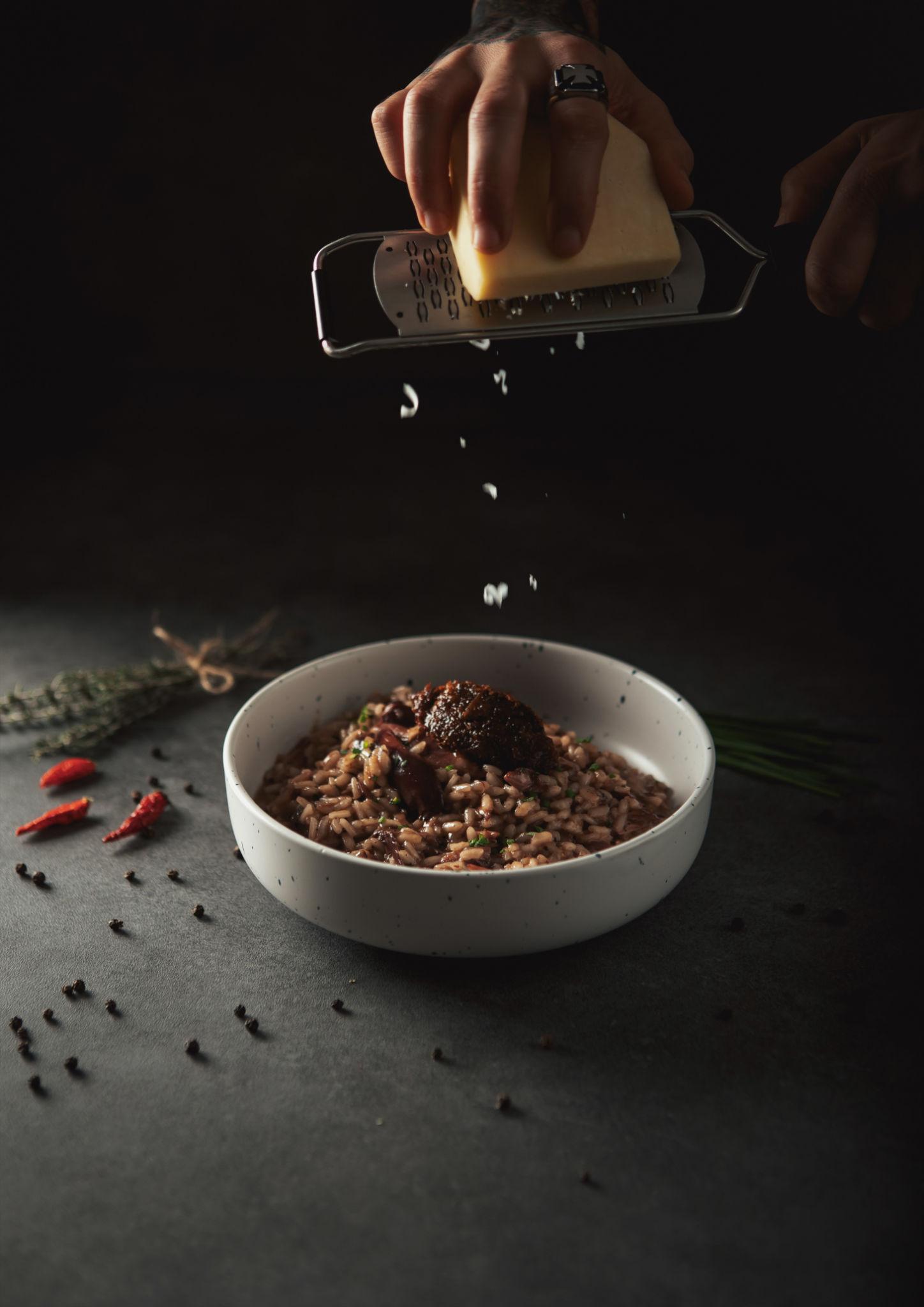
Good cheese costs more than orange mystery blocks wrapped in plastic.
Fresh herbs cost more than the dried dust that’s been living in your cupboard since the last Olympics.
There’s a reason.
Someone grew it, raised it, made it, harvested it, transported it, and hopefully gave a damn while doing it.
Quality has a price.
So does garbage.
The difference is quality usually pays you back.
It tastes better.
It lasts longer.
You waste less of it.
People actually eat it.
And if you’re cooking for family, friends, or guests, that’s worth something.
Now don’t get me wrong.
I’m not saying you need to buy the most expensive thing on the shelf.
I’ve worked with enough food suppliers to know that expensive doesn’t automatically mean good.
Sometimes fancy packaging is just lipstick on a pig.
What I’m saying is this:
Stop buying food based only on price.
Start buying food based on value.
There’s a difference.
Value is the roast chicken that feeds you for three days.
Value is the good olive oil you actually use instead of the cheap bottle collecting dust in the cupboard.
Value is the decent knife that lasts ten years instead of the bargain-bin special that couldn’t cut warm butter.
Value is spending a little more once so you don’t have to spend more again later.
The lesson isn’t really about food.
It’s about life.
Cheap shortcuts usually come with hidden costs.
The cheapest option often becomes the most expensive option after you’ve paid for mistakes, frustration, disappointment, and replacements.
Whether it’s ingredients, equipment, or decisions, the bill always comes due eventually.
So buy the good butter.
Get the decent tomatoes.
Pay a little extra for quality when it matters.
Because in kitchens, just like in life, bad choices have a nasty habit of sending a second invoice.
And that second invoice is usually a hell of a lot bigger than the first.