The Fifth Taste Nobody Taught You (But Your Mouth Already Knows)
There’s a moment in cooking — and if you’ve spent any real time in a kitchen, you know the one — where something shifts. You’re making a simple pasta sauce. It smells fine. It tastes fine. But then you throw in a smashed anchovy, or hit it with a splash of soy sauce, or grate in a mountain of Parmesan, and suddenly the whole thing wakes up. It stops tasting like tomatoes and starts tasting like dinner.
That’s umami. And it’s been doing that to your food your entire life without you having a name for it.
So What The Hell Is It?
Umami is the fifth basic taste. You know the other four: sweet, salty, sour, bitter. Umami is the one that got left off the grade school chart. It’s sometimes described as “savory” or “meaty,” but those words don’t really cut it. Umami is more like… depth. Fullness. That quality that makes food taste like it has more going on than whatever’s actually in it.
The word itself is Japanese. It comes from umai (delicious) and mi (taste). A Tokyo chemist named Kikunae Ikeda figured it out in 1908 when he was trying to pin down what made his wife’s dashi broth taste so damn good. He isolated the compound responsible: glutamate. Specifically, glutamic acid — an amino acid that occurs naturally in a ton of foods and absolutely loves your taste receptors.
So no, umami isn’t a marketing word. It’s chemistry.
Where Does It Come From?
Glutamate is the backbone of umami, but there are two other compounds that play tag-team with it: inosinate (found in meat and fish) and guanylate (found in dried mushrooms). When these three show up together, the umami effect doesn’t just add — it multiplies. This is called synergy, and it’s why certain food combinations have been knocking people sideways for thousands of years before anyone understood why.
Here’s where umami lives in your kitchen right now:
High-glutamate ingredients:
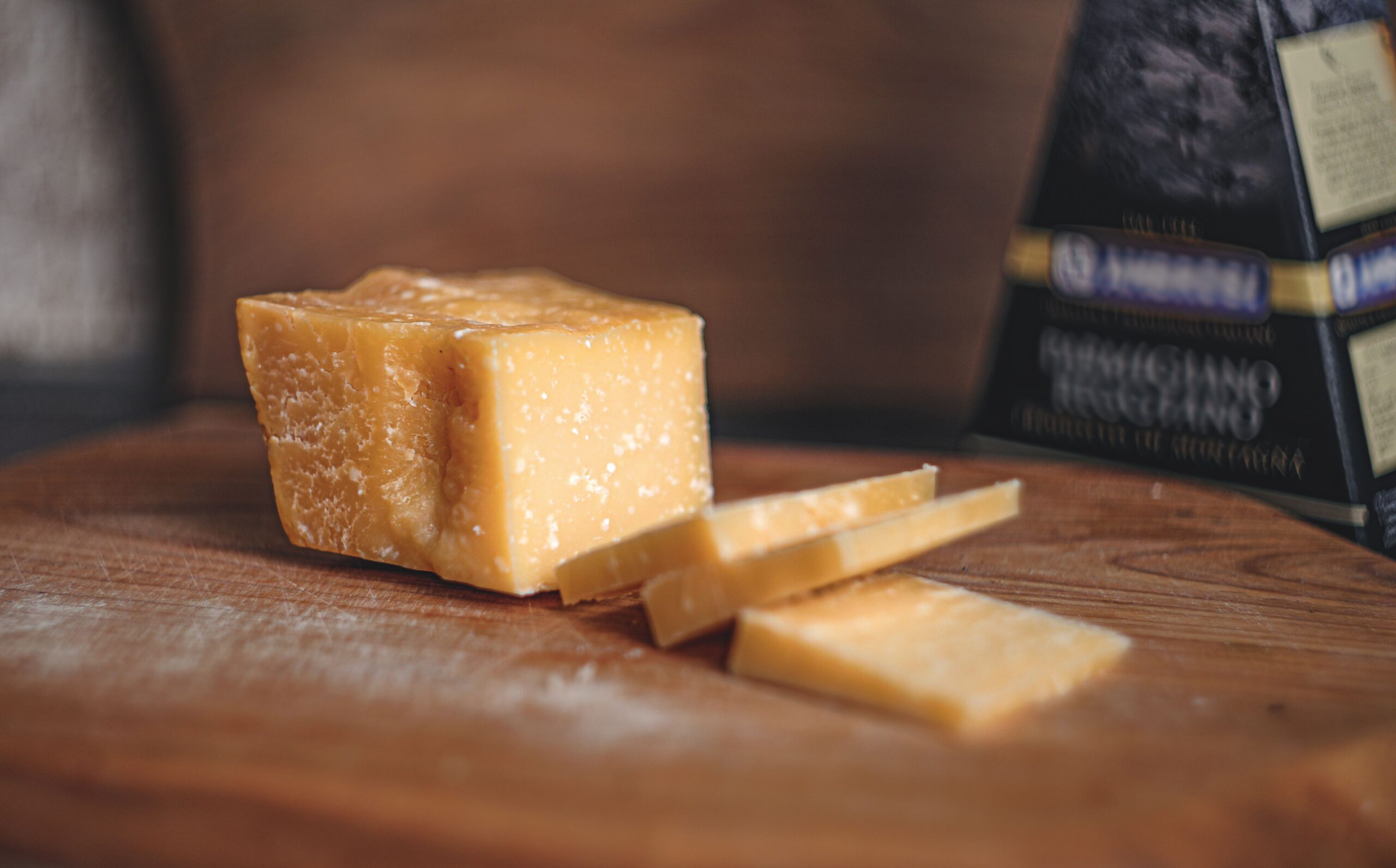
- Parmesan (one of the highest concentrations of any food)
- Tomatoes — especially concentrated or sun-dried
- Soy sauce
- Fish sauce
- Miso
- Anchovies
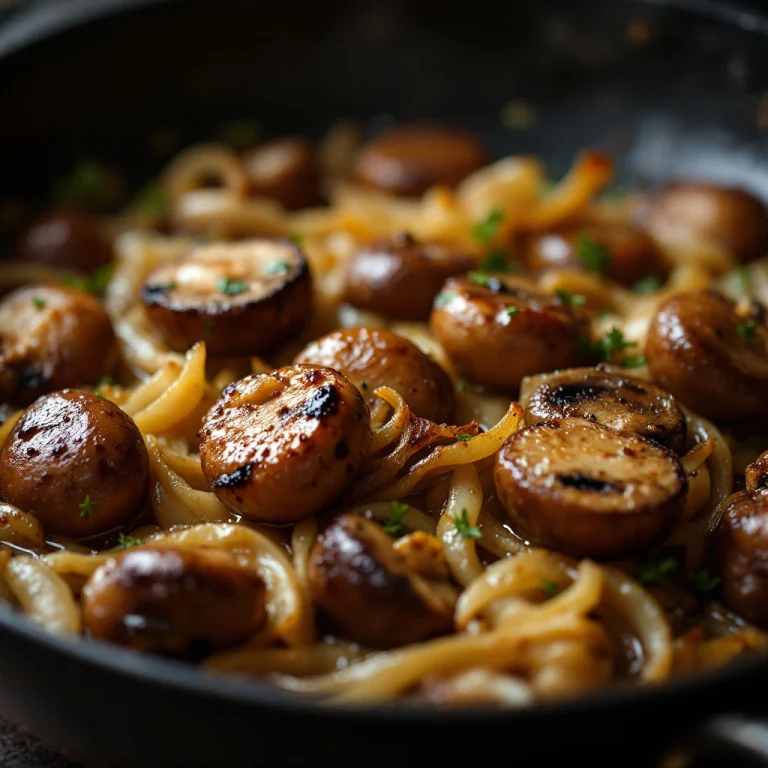
- Mushrooms (especially dried shiitake)
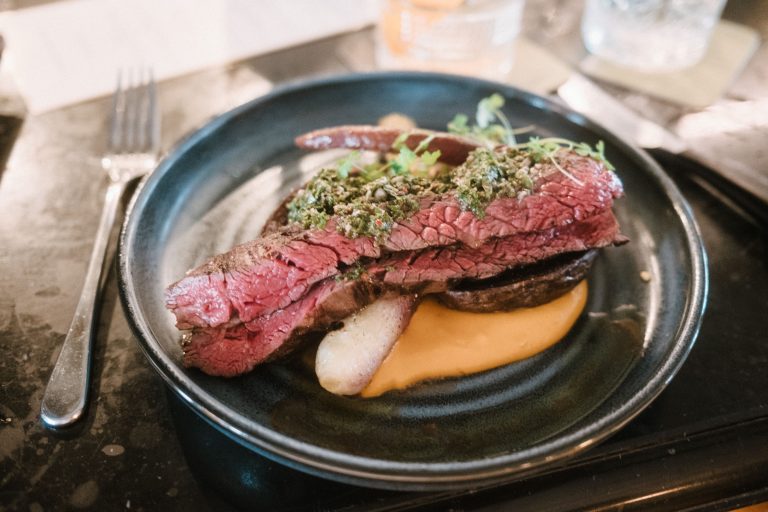
- Aged meats and cured things
- Worcestershire sauce
- Nutritional yeast
Stuff you might not think about:
- Breast milk (yes, really — humans are literally born chasing this taste)
- Potatoes
- Corn
- Green peas
- Walnuts
Fermentation, aging, roasting, slow cooking — all of these processes break down proteins into free glutamates, which is why a 24-month Parm hits different than fresh mozzarella, and why a braise tastes like it took all day (because it did, and chemistry was working the whole time).
What Does It Actually Do To Food?
Here’s where it gets interesting. Umami doesn’t just add a flavor — it amplifies everything around it. It suppresses bitterness, boosts saltiness (which means you can use less actual salt), rounds out sharp edges, and makes the flavor of a dish linger longer on your palate. That thing where you take a bite of really good food and the taste just stays with you? Umami.
It also makes food feel more satisfying. This is why you can eat a salad and feel hungry an hour later, but a bowl of miso soup — which is mostly just water — keeps you full. Umami triggers a fullness response.
For professional cooks, understanding umami is basically a cheat code. It explains:
- Why the boring chef trick of “add a Parmesan rind to your soup” actually works
- Why a Caesar dressing with anchovies tastes so much better than one without
- Why burgers at diners hit different when they’re cooked on a well-seasoned flat top (all those previous burgers, right there in the pan)
- Why MSG — which is literally just isolated sodium glutamate — got demonized for decades and yet is completely safe and was making Chinese food taste incredible the whole time
How To Use It Without Thinking About It Too Hard
You don’t need to turn cooking into a chemistry class. You just need a few anchor ingredients in your pantry and the habit of asking “what does this need?” when something tastes flat.
The flat-dish fix toolkit:
- A splash of soy sauce or fish sauce at the end of cooking (doesn’t make it taste Asian — just makes it taste more like itself)
- Miso dissolved into a sauce, a dressing, a marinade
- Tomato paste cooked down in oil before adding anything else
- A handful of grated Parm on things you wouldn’t expect (pasta, yes — but also scrambled eggs, roasted vegetables, soup)
- Dried mushrooms crumbled into anything braised
- Worcestershire in burgers, meatloaf, gravies
The rule is: umami-rich ingredients are best used as background. Not the feature. Not the headline. The thing underneath everything else that makes people go “what’s in this?” and feel mildly frustrated when you just shrug.
The Part Nobody Talks About
There’s a reason home-cooked food sometimes tastes flat compared to restaurant food, and it’s not just technique. Restaurant kitchens are full of umami by accident. The stockpot simmering for eight hours. The butter that’s been in the pan all service. The roasting pan drippings getting scraped into every sauce. Layers on layers of glutamate.
At home, you’re starting from zero every time.
That’s not a character flaw. It’s just context. And knowing this is how you close the gap — not by cooking for eight hours, but by keeping a few high-impact umami bombs on your shelf and not being afraid to use them.
Your food deserves to taste like more than the sum of its parts. Now you know why some of it already does.
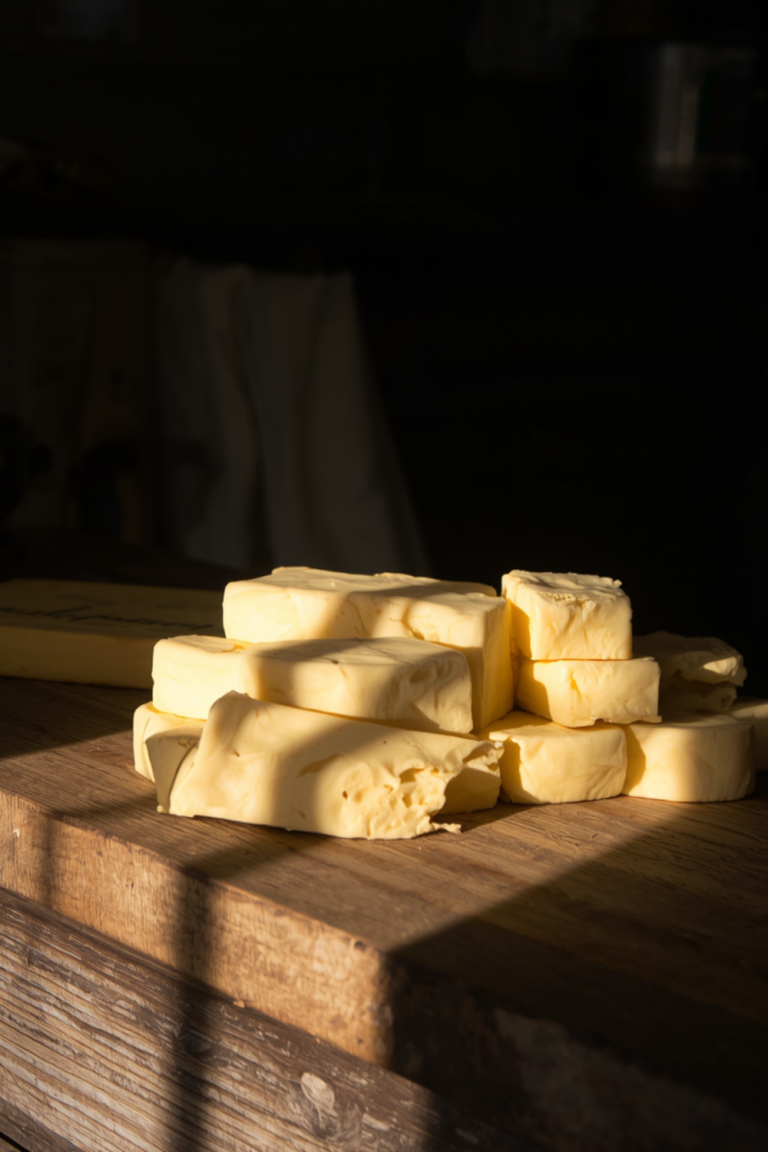
Burnt Butter is about real cooking knowledge, no fluff. If this was useful, poke around — there’s more where this came from.