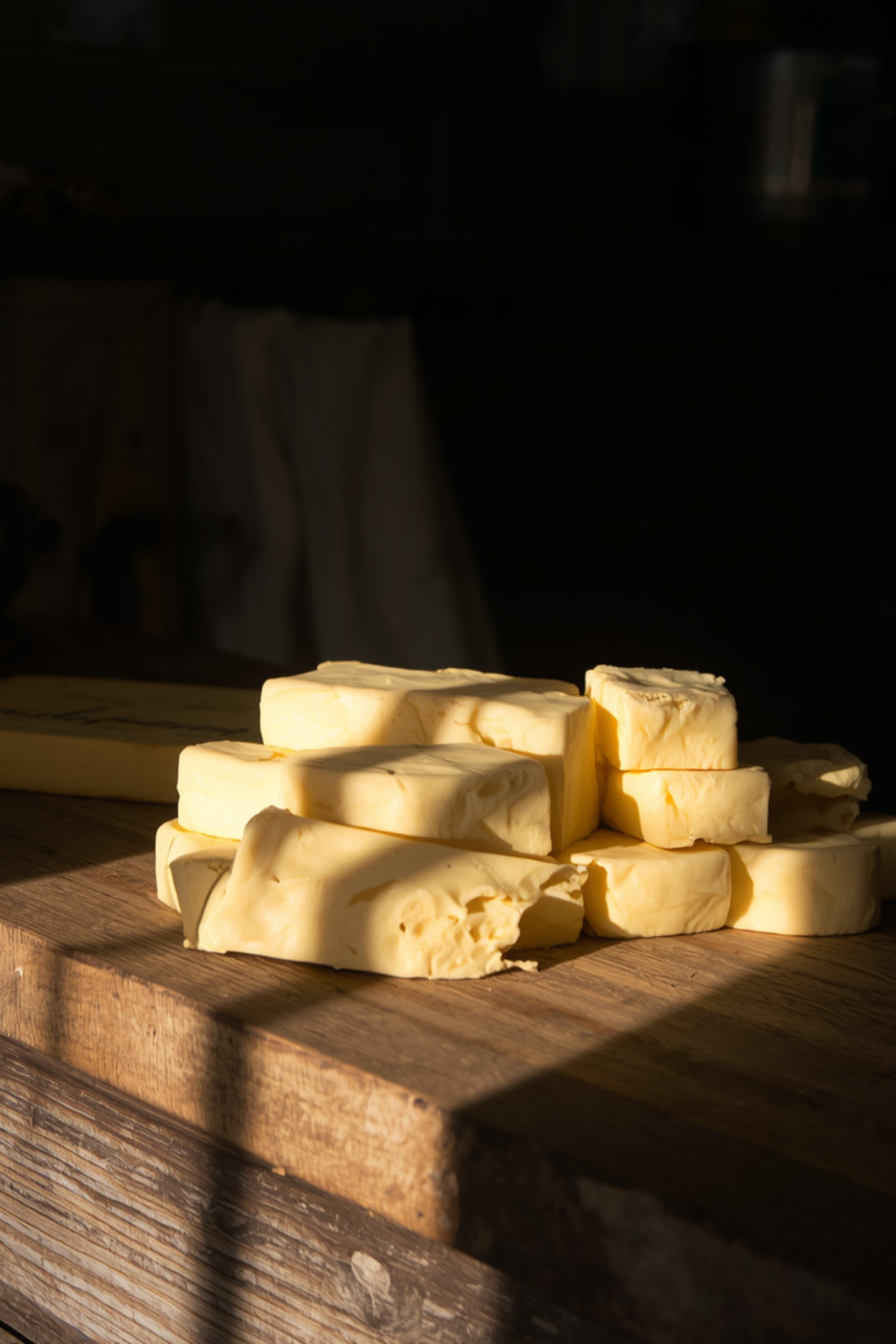
Mo Butter, Mo Better
I love butter.
Not “enjoy,” not “appreciate in moderation.” Love.
The kind of love that doesn’t need a disclaimer, doesn’t need a nutritionist’s permission slip, doesn’t need me to say “everything in moderation” like some kind of apology.
utter
Butter is not a topping.
It is not a garnish
It is not the thing you add at the end because a recipe told you to. Butter is a decision you make about how food is going to taste, and if you’re not making that decision on purpose, you’re leaving flavor on the table.
Here’s what twenty-five years in kitchens taught me about fat: oil coats your mouth. Butter *becomes* the dish.
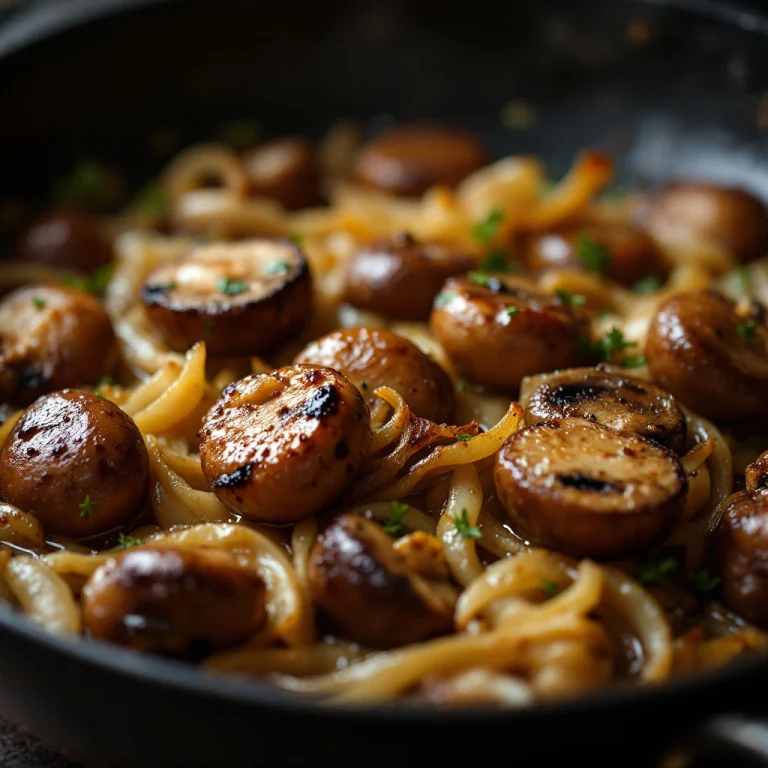
It’s got milk solids in it — actual proteins and sugars — and when you brown those, you’re not just melting fat, you’re building a completely different flavor.
Nutty. Toasty.
Almost like caramel decided to have an affair with a hazelnut. That’s not oil. Oil can’t do that. Oil just sits there being slippery and polite.
And butter doesn’t ask you to choose a lane. It goes in a pan sauce and turns thin, sad pan drippings into something glossy and rich enough to make you want to drink it off a spoon — not that I’ve done that, I heard about it on a TV show. It goes on top of a steak just off the heat and melts down into every crack of that crust like it’s paying rent there. It goes into a compound with garlic and herbs and sits in your freezer like a loaded weapon, waiting for the day you need to make a chicken breast feel like an event.
You want to know why restaurant food tastes different than your food, even when you followed the same recipe? A lot of the time, it’s butter. It’s how much of it, when it went in, and whether the cook was scared of it. I was never scared of it. You shouldn’t be either.
Love of butter. Period. Full stop. No asterisk.
Part Two: The “Secret” of the Reverse Sear (There Isn’t One)
Now let’s talk about steak, because people have turned the reverse sear into some kind of mystical chef technique, like you need a jacket and a culinary degree to pull it off.
You don’t.
It’s not a secret.
It’s just patience, and most people don’t have any.
Here’s the whole method, no smoke, no mirrors:
You take your steak is a thick one, this doesn’t work on a thin cut, don’t try it — and you put it in a low oven. Somewhere around 250°F. Low and slow, bringing the entire piece of meat up to temperature evenly, from edge to center. No rush. No panic. You’re not cooking it yet, not really. You’re bringing it up to the starting line.
Pull it when it’s about 15-20 degrees under where you want to eat it, because it’s going to climb more once it hits the heat. Let it rest a few minutes.
Then — and this is the part everybody skips because they’re impatient — you hit it with real heat. A screaming hot pan, cast iron if you’ve got it, because cast iron holds heat like it’s got something to prove. This is where the crust happens. Fast, hard, aggressive. Not “let’s slowly build some color.” Violent. Get in, get your crust, get out.
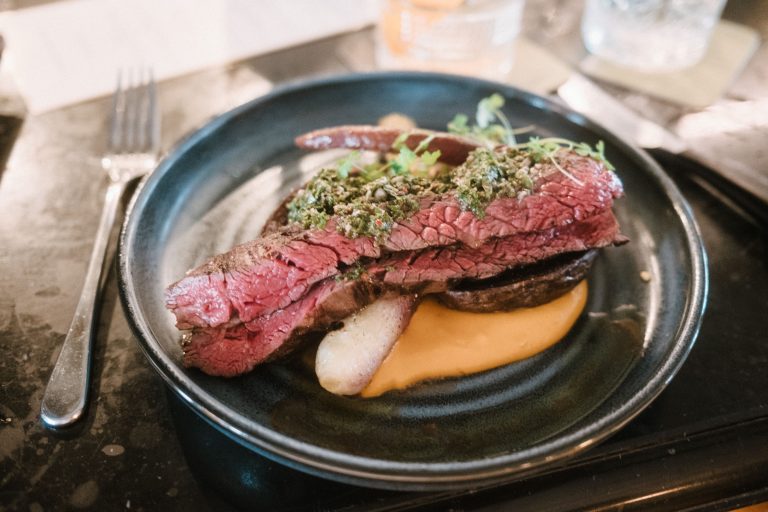
That’s it. That’s the secret. There isn’t one. It’s just two separate jobs — even cooking, then a real sear — instead of asking one temperature to do both jobs badly at once, which is what happens when you throw a cold, thick steak into a hot pan and hope for the best. You end up with a burnt outside, a gray ring of overcooked meat underneath that, and a pink center that got there by accident, not by design. Reverse sear skips all of that. Even color throughout, actual crust on the outside, and you got there on purpose.
## Where They Meet
You knew this was coming. You can’t talk about finishing a steak without butter showing up, because that’s not how steak works — not real steak, not steak somebody actually cared about.
When that pan is screaming and the steak’s already in there building crust, that’s when the butter goes in. Along with garlic, smashed, skin still on. Some thyme if you’ve got it. Tilt the pan, and start spooning that butter over the top of the steak, again and again, while it’s still in the pan. That’s basting. That’s not decoration, that’s technique — you’re pushing flavor into the crust while it’s still forming, browning the butter right there in the same pan the meat is in, so the butter picks up everything the meat left behind and hands it right back.
So no, the two threads were never really separate. Love of butter, period. Reverse sear, no secret. And then a steak that ends the way every good steak should — swimming in butter that’s been earned, not just poured on at the end because somebody told you to.
Mo butter, mo better. That’s not a joke. That’s just true.