Mise en Place Isn’t a French Word, It’s a Survival Strategy
Everyone treats “mise en place” like it’s some fancy garnish you sprinkle over a recipe to make it sound legit. It’s not a garnish. It’s the whole damn meal.
Here’s what nobody tells home cooks: the difference between a chef who looks calm during a Saturday night rush and a home cook sweating over a Tuesday dinner isn’t skill. It’s not talent. It’s not a nicer knife. It’s that the chef already chopped the onion, measured the salt, and knows exactly where the tongs are — twenty minutes before the pan even got hot.
I spent 25 years on nearly every station a kitchen has, from fine dining to a diner counter to a coffee truck that smelled like burnt espresso and bad decisions. Every single one of those jobs ran on the same rule: if you’re not prepped, you’re already behind. Doesn’t matter how good you are. A disorganized cook with great instincts still loses to an organized cook with average instincts. Every time.
The Home Cook Version of the Rush
You know that moment — the onions are half-chopped, the garlic’s still got skin on it, the pan’s ripping hot, and you’re standing there like an idiot with a knife in one hand and panic in the other? That’s not you being bad at cooking. That’s you skipping the one step that actually makes cooking possible.
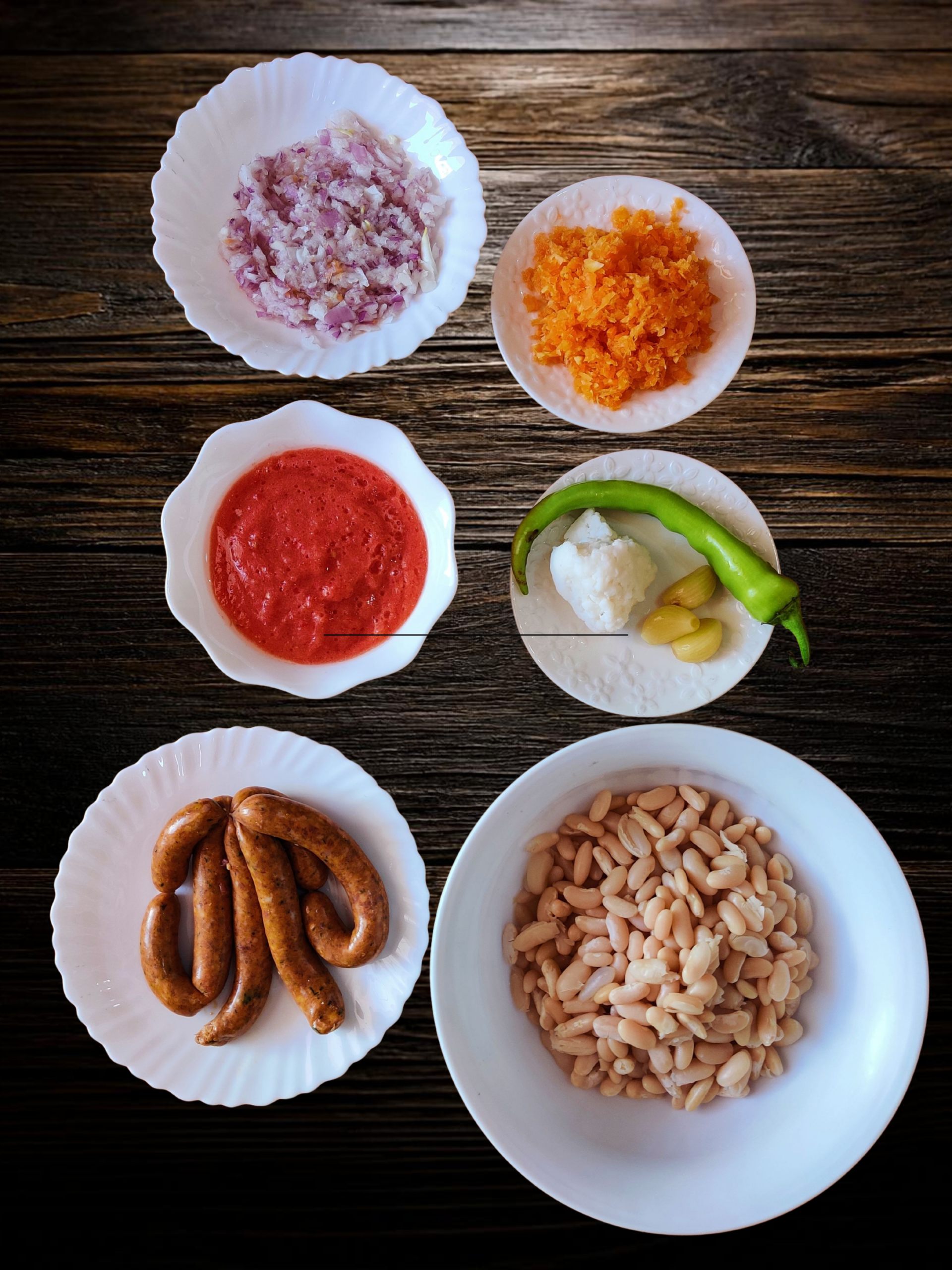
Mise en place just means: everything in its place, before you start. Ingredients measured. Things chopped. Pans pulled out. Garbage bowl within reach so you’re not doing the death-walk to the trash can mid-sauté with onion skins falling off your cutting board.
It’s not about being fancy. It’s about not being an idiot standing over a hot pan trying to mince garlic while your butter’s already turning brown behind you.
Why Your Brain Needs This More Than Your Hands Do
Prep isn’t really about the ingredients. It’s about your brain. When everything’s already done, your brain gets to do ONE job at a time — actually cooking. The second you’re prepping and cooking simultaneously, you’re running two processes on hardware that can barely handle one. That’s how you burn garlic, forget the pasta water’s boiling over, and serve dinner forty-five minutes later than you swore you would.
Professional kitchens don’t survive on talent. They survive on repetition and order. You can steal that. You don’t need a walk-in fridge or a brigade system to run your kitchen like it’s handled. You need ten minutes before you cook to do the boring, unglamorous work that makes the fun part actually fun.
The Cheat Version for Real Life
You don’t need to prep like it’s a Michelin service. Here’s the home version:
- Read the whole recipe first. Not skim it. Read it. Twice if you have to.
- Chop everything before the pan is hot. Every time you skip this, you already know how it ends.
- Set out every ingredient you need, even the ones you “know you have.” You don’t have the paprika. You never have the paprika.
- Keep a garbage bowl next to your cutting board. Game changer. Non-negotiable.
- Clean as you go, not after. A messy station makes messy cooking.
That’s it. That’s the secret professional chefs guard like it’s some sacred art. It’s not sacred. It’s just discipline, and discipline is boring, which is why nobody wants to hear it.
This Is the Whole Point of Behind the Line
This is exactly the kind of thing I dig into in Behind the Line — the professional kitchen thinking that actually changes how you cook at home, not the Instagram-fantasy version of “cooking like a chef.” No plating tweezers. No foams. Just the real stuff that makes dinner less of a war zone and more of a Tuesday.
If you’re tired of cooking like you’re always one step behind your own pan, Behind the Line walks you through the actual mindset — prep, timing, reading a recipe like a pro instead of like a suggestion — built from 25 years of watching what separates people who can cook from people who can survive a dinner rush.
Grab your copy of Behind the Line and stop cooking like it’s an emergency.