It’s 6:47pm. Dinner’s supposed to be on the table in thirteen minutes. And your sauce — the one that was thick and glossy and perfect twenty minutes ago — has decided to become soup.
So you do what everyone does. You grab your phone with one greasy hand and you type it into Google:
“how to fix my dinner” “why is my sauce thin” “sauce watery help”
And then you stand there, stirring with a wooden spoon in one hand and scrolling through seven blog posts with your other, each one buried under a 900-word story about somebody’s grandmother before it finally tells you to maybe try cornstarch. Maybe.
I did this job for 25 years. Fine dining, diners, cafeterias, a coffee truck — every station, every kind of chaos a kitchen can throw at you. And I can tell you the actual problem isn’t your cooking. It’s that you’re troubleshooting a fire with a manual written for a different fire.
Your Sauce Isn’t Broken. It’s Thin as Water. Those Are Different Problems.
This is the first thing they don’t tell you: “my sauce is messed up” isn’t one problem, it’s about six problems wearing a trench coat. Thin and watery is not the same emergency as broken and greasy, and it doesn’t get fixed the same way. If you’re Googling in a panic, you don’t have time to figure out which of six problems you actually have — you need someone to just tell you.
So here’s the fast answer, chef to home cook, no backstory:
If your sauce is thin as water, you’ve got three fixes, ranked by how much time you have left:
Under 2 minutes left? Reduce it hard and fast. Crank the heat up, uncovered, and let it rip at a real boil, not a shy simmer. Water evaporates, flavor doesn’t. Stir it so it doesn’t scorch on the bottom. This is loud and a little scary and it works.
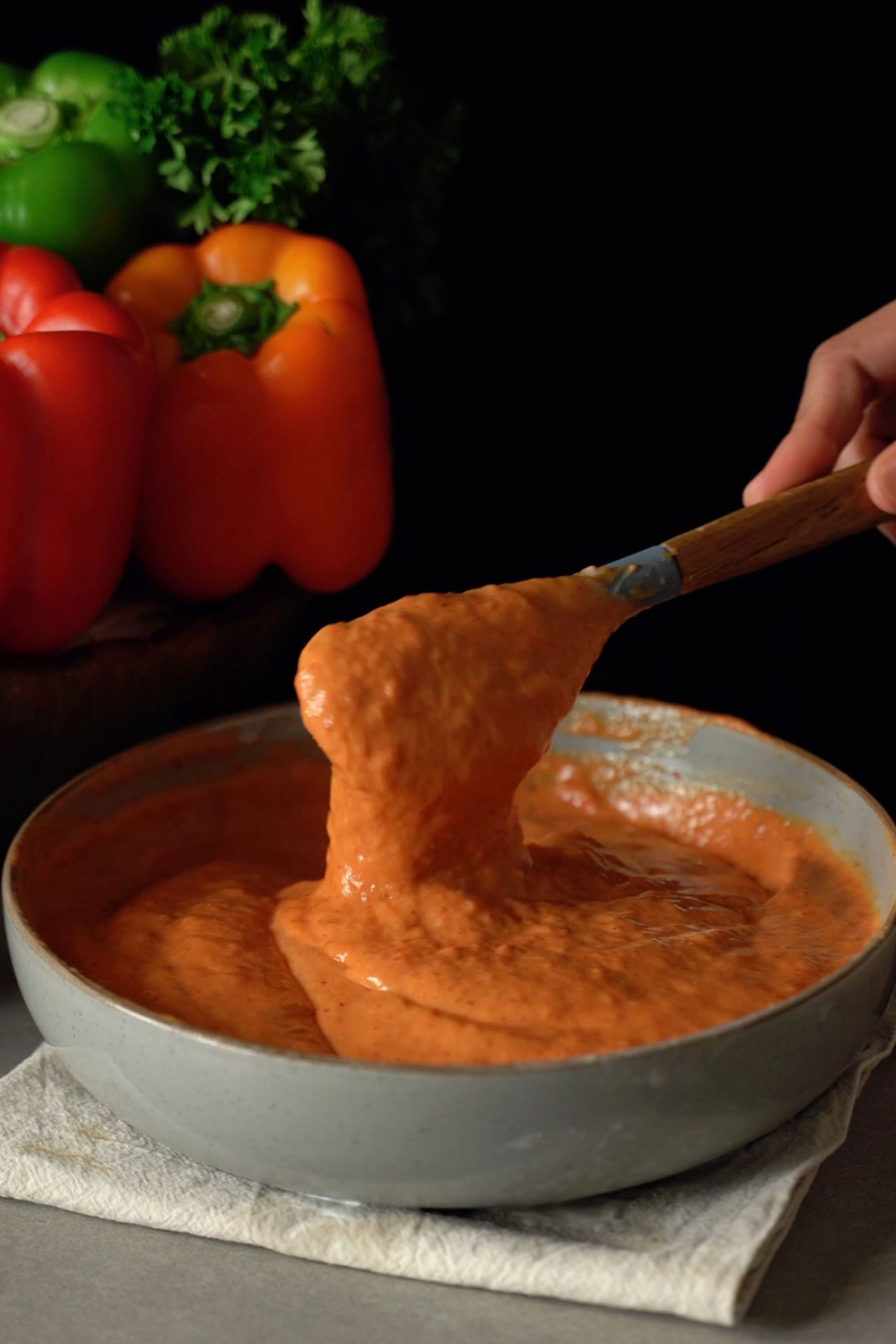
A little more time? Make a slurry. One tablespoon cornstarch, two tablespoons cold water, stirred smooth before it touches the pan — never dump dry starch straight in, you’ll get lumps that taste like wallpaper paste. Drizzle it in while whisking, let it come back to a simmer for a minute so it actually thickens, don’t just add it and pull it off the heat.
Cooking for people who care about technique, or reheating tomorrow? Mount it with butter. A tablespoon or two of cold butter, off the heat, whisked in a piece at a time. It won’t just thicken the sauce, it’ll make it glossy and rich in a way cornstarch never will. This is the chef move. This is the one that makes people ask what your secret is.
Why Nobody Tells You This Straight
Because most food content isn’t written by people who’ve actually stood at a stove with sixty covers firing and a sauce going sideways. It’s written by people optimizing for a recipe card and a pretty photo. Nobody’s writing for the version of you standing in your kitchen right now, sauce thinning by the second, kid asking when dinner’s ready.
I wrote Kitchen ER because I got tired of watching home cooks Google their way into a panic instead of just getting told what to do. It’s 27 of these — every dinner disaster I’ve watched happen a hundred times over 25 years on the line, diagnosed fast and fixed without the fluff. Sauce broke. Meat’s dry as hell. Everything’s going sideways at once. All of it, laid out the way I’d yell it across a kitchen if you were standing next to me instead of scrolling on your phone.
You don’t need a story about my grandmother’s stove. You need to know which fix to grab and how much time you’ve got left to grab it.
[Grab Kitchen ER: A Field Guide for When Shit Goes Sideways →]
Next time dinner starts going wrong, skip the search bar. Just open the guide.