Why does restaurant food taste so damn good?
You know the feeling.
You make steak at home.
You order steak at a restaurant.
Somehow theirs tastes better.
You make vegetables.
They make vegetables.
Their broccoli has you questioning every life choice that led you to steaming yours into submission.
And you start thinking maybe restaurants have some magical ingredient you don’t know about.
They don’t.
Restaurants aren’t magically better than home kitchens.
They just use certain things—salt, heat, fat, acid, timing, texture and repetition—more deliberately than most home cooks do.
I’ve spent enough time in professional kitchens to know that most of the “secrets” aren’t actually secrets.
They’re habits.
Small things cooks do over and over until they don’t even have to think about them anymore.
And you can steal them.
So here are 10 chef tricks restaurants use to make food taste better.
1. They Salt More Than You Think
Let’s get this out of the way first.
A lot of home cooks under-season their food.
And I’m not saying you need to turn dinner into a salt lick.
I’m saying seasoning once isn’t always enough.
Restaurants season in layers.
Before cooking.
During cooking.
And again right before serving.
Salt doesn’t just make food salty. Used properly, it wakes up the flavors that are already there.
And then there’s finishing salt.
A little hit of salt right at the end can give you those tiny bursts of intensity and even a bit of texture.
Try this at home
Stop thinking of salt as something you add once because the recipe told you to.
Taste as you cook.
Season.
Taste again.
Adjust.
Then taste before serving.
That’s how you stop cooking by instruction and start cooking by taste.
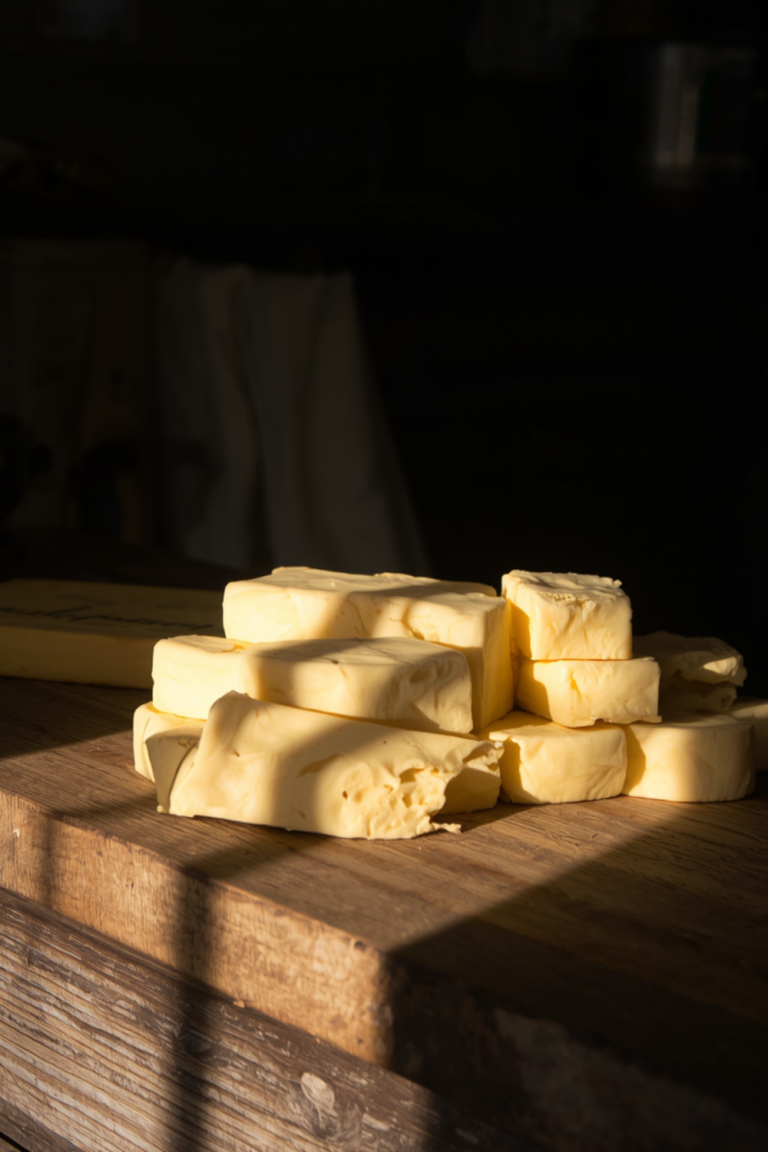
2. Butter Is Basically a Secret Weapon
This one shouldn’t surprise anybody.
But you’d probably be surprised how often butter is doing the heavy lifting in restaurant food.
Sauces get finished with cold butter for richness and shine.
Vegetables get tossed in butter before serving.
Steaks get butter-basted with garlic and herbs.
Butter isn’t just something you cook in.
It can be something you finish with.
And that distinction matters.
Try this at home
Make a sauce and taste it before you finish it.
Then add a little butter.
Taste it again.
See what happened?
That’s not witchcraft.
That’s butter.
And frankly, butter has earned its reputation.
3. Acid Makes Everything Taste Brighter
Here’s one that home cooks miss all the damn time.
Your food tastes flat.
You add more salt.
Still flat.
So you add more salt.
Now you’ve got salty, flat food.
Try acid instead.
Lemon juice.
Vinegar.
Wine.
Pickled vegetables.
Citrus zest.
Acid can cut through richness and wake everything up.
The trick isn’t to make your food taste sour.
The trick is to add enough acidity to make the other flavors seem brighter.
Try this at home
The next time something tastes meh, stop before reaching for the salt.
Ask:
Does this actually need more salt—or does it need brightness?
A tiny squeeze of lemon or splash of vinegar can completely change a dish.
4. High Heat Changes Everything
Professional kitchens are not shy about heat.
Hot pans.
Hot grills.
Hot broilers.
Hot ovens.
Why?
Because browning creates flavor.
That gorgeous crust on a steak isn’t just there to look pretty.
Those browned edges on roasted vegetables aren’t an accident.
High heat gives you the kind of deep, developed flavors that you simply don’t get from gently warming everything until it’s technically cooked.
Try this at home
Give your pan time to get properly hot.
Don’t crowd the hell out of it.
And don’t constantly move the food around because you’re nervous.
Sometimes you need to let the food sit there and do its thing.
Brown it.
Then turn it.
That’s where the flavor lives.
5. MSG and Umami Make Food Taste Fuller
MSG gets treated like some mysterious chemical weapon by people who don’t understand what it actually does.
Restaurants often use MSG, and they also use ingredients naturally packed with glutamates:
- Soy sauce
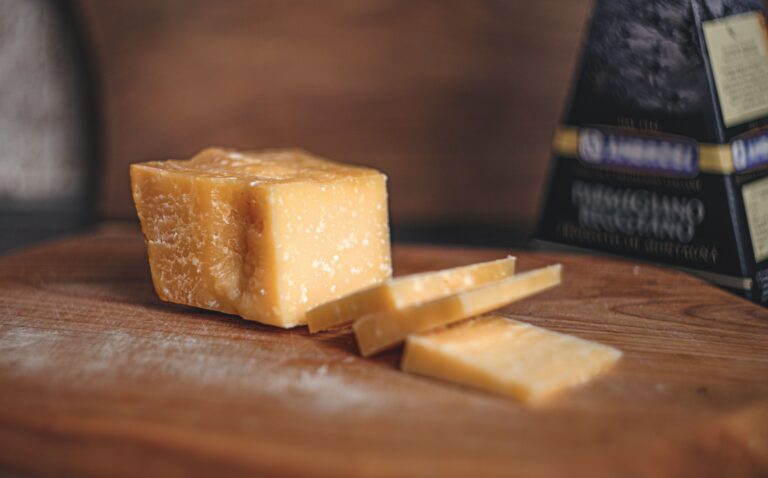
- Parmesan
- Anchovies
- Mushrooms
- Tomato paste
- Fish sauce
These ingredients bring umami—that deep, savory quality that makes food taste fuller and more satisfying.
You know that thing where you take a bite and think:
“I don’t know what they did, but this tastes GOOD.”
Sometimes this is part of what you’re tasting.
Try this at home
Think beyond salt when something needs more depth.
A little soy sauce.
Some Parmesan.
A spoonful of tomato paste.
A few drops of fish sauce.
Those aren’t necessarily going to make your food taste like those ingredients.
They’re there to help build the background.
6. They Build Flavor in Layers
Here’s where professional cooking starts looking very different from:
“Throw everything in the pan and hope for the best.”
Restaurants don’t usually dump every ingredient into a pan at the same time.
They build.
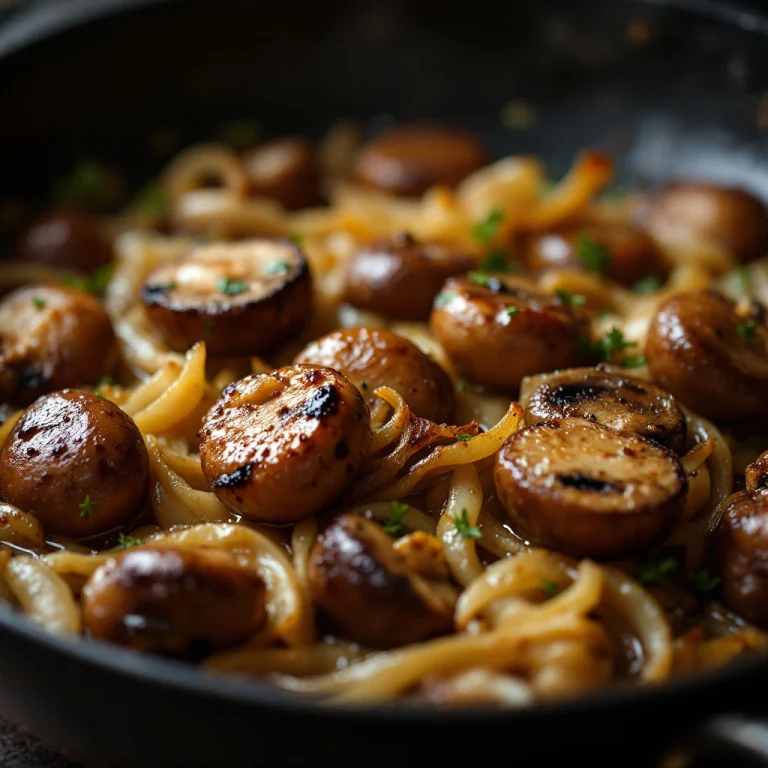
Onions get browned first.
Garlic goes in later so it doesn’t burn.
Spices get toasted in fat.
Stocks reduce.
Each step contributes something different.
That’s layering.
Try this at home
Think about the order you’re adding things.
Don’t burn your garlic because you put it in with the onions at the beginning and then cooked the shit out of it for twenty minutes.
Brown the things that need browning.
Add delicate things later.
Let liquids reduce.
Build the flavor instead of throwing everything into the pot and crossing your fingers.
7. Texture Matters as Much as Flavor
This is one of those things you notice without necessarily realizing you’re noticing it.
Something creamy is good.
Something crispy is good.
Something crunchy is good.
Something silky is good.
But put them together?
Now we’re talking.
Restaurants deliberately create contrast.
Crispy onions on mashed potatoes.
Toasted nuts on a salad.
Crunchy pickles on a sandwich.
Because food isn’t just about how it tastes.
It’s also about how it feels in your mouth.
Try this at home
Look at your plate.
Is everything soft?
Everything creamy?
Everything cooked to death?
Add some contrast.
Crunch.
Crispness.
Something chewy.
Something fresh.
Sometimes your food doesn’t need more seasoning.
It needs something to happen.
8. Sugar Shows Up in Savory Food Too
This one surprises people.
A tiny amount of sugar can balance bitterness and acidity.
That’s why you sometimes find sugar or honey in things like:
- Tomato sauce
- Vinaigrettes
- Spice rubs
- Coleslaw
- Soups
We’re not talking about making your spaghetti sauce taste like dessert.
We’re talking about balance.
A little sweetness can round out flavors that are otherwise too sharp, bitter, or acidic.
Try this at home
If something tastes aggressively bitter or acidic, don’t automatically decide you screwed it up.
Try a tiny amount of sugar or honey.
Taste.
Adjust.
Again, we’re not making candy.
We’re balancing the damn thing.
9. Resting Meat Is Not Optional
I know.
You’re hungry.
The steak is sitting there.
It smells fantastic.
You want to cut into it.
Don’t.
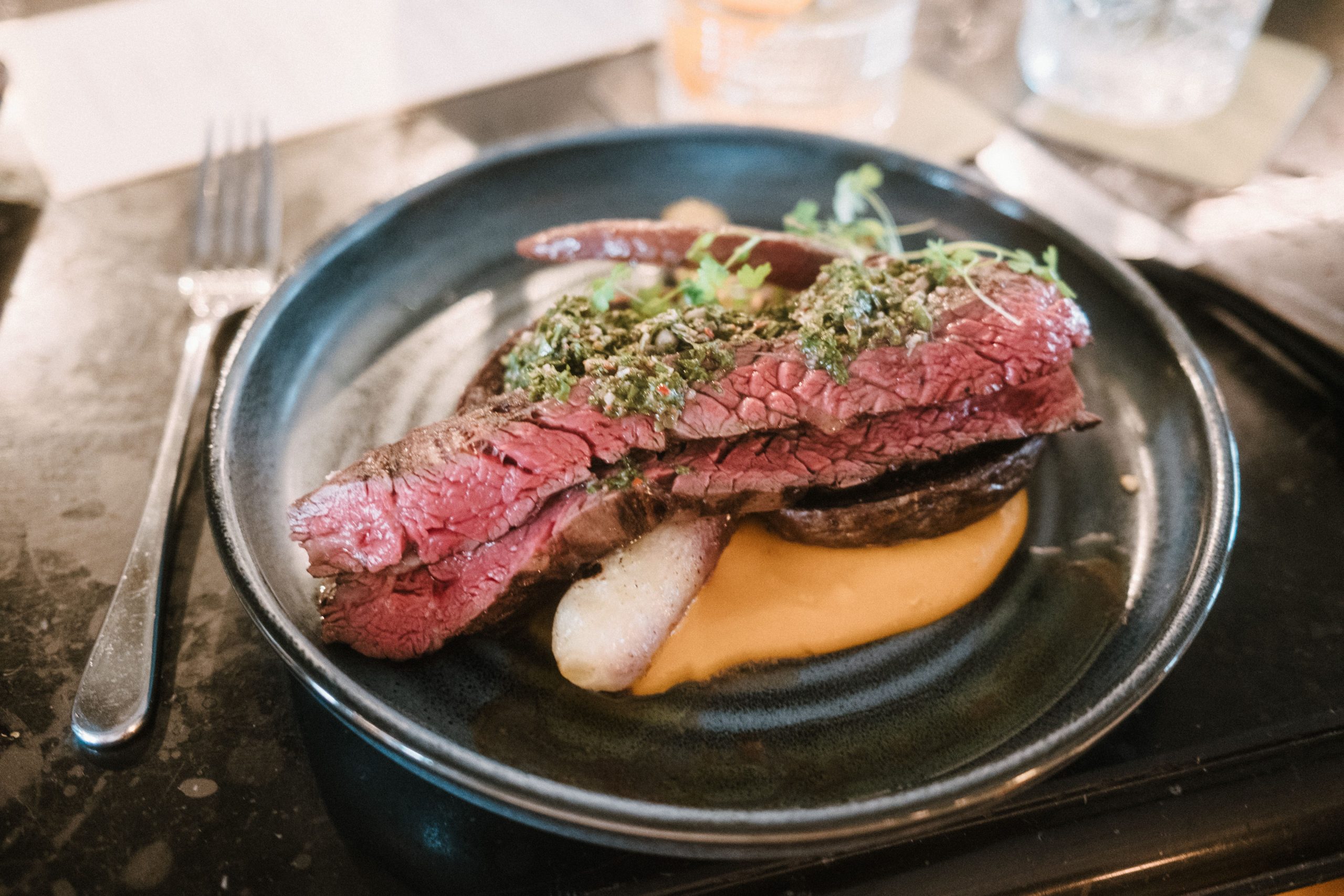
Chefs let steaks, chicken, and roasts rest before slicing.
Cut into meat too early and you can end up with a plate full of juices instead of keeping those juices where you actually want them.
Inside the meat.
Try this at home
Give your meat a chance to rest before you start carving into it.
I know it’s difficult.
You’ve waited.
You’ve cooked it.
Now you’re standing there staring at it.
But five minutes of patience is cheaper than ruining the damn thing.
10. Fresh Herbs Go in at the End
Fresh herbs are delicate.
Cook them too long and you lose a lot of that fresh brightness.
That’s why restaurants often finish dishes with things like:
- Parsley
- Dill
- Cilantro
- Basil
- Chives
Right before serving.
Not twenty minutes earlier.
Not at the beginning because the recipe says “add herbs.”
At the end.
Try this at home
Save some of your fresh herbs for the finish.
Cook with some if you want the deeper flavor.
Then add a little fresh at the end.
You’ll get that bright, fresh hit that makes the whole dish feel more alive.
So What’s the Real Restaurant Secret?
It’s not butter.
It’s not MSG.
It’s not some $400 bottle of olive oil hidden in the walk-in.
It’s repetition.
Professional kitchens repeat these tiny details constantly.
Seasoning.
Prep.
Heat.
Timing.
Texture.
Finishing.
Attention.
Home cooks often skip those things because we’re tired.
We’re hungry.
We’re busy.
We’re trying to get dinner on the table before somebody starts eating crackers over the sink.
I get it.
But here’s the thing:
You don’t need to cook like a restaurant.
You just need to steal some of the habits that make restaurant cooking work.
Start with one.
Next time dinner tastes flat, try acid.
Next time your sauce tastes dull, try butter.
Next time your vegetables are boring, think about texture.
Next time something needs depth, think umami.
And next time you’re about to cut into a steak immediately after cooking it…
For the love of God, wait five minutes.
These aren’t complicated techniques.
They’re small decisions.
And small decisions, repeated consistently, are what make good cooking better.
Want More Chef Tricks?
I put these ideas together in Chef Tricks Restaurants Use to Make Food Taste Better—a behind-the-scenes guide to the little things professional kitchens do that most home cooks never get taught.
No 200-page recipe book.
No seventeen-dollar jar of truffle salt.
No bullshit.
Just practical kitchen tricks you can actually use.
Because sometimes you don’t need another recipe.
You need to know what the hell you’re doing with the one you’ve already got.