There are five basic tastes we’ve all been taught to recognize:
Sweet.
Salty.
Sour.
Bitter.
Umami.
And then there’s kokumi.
Which, until recently, I had never heard of either.
Apparently I have spent decades cooking food without knowing the name for something I have absolutely been chasing my entire career.
Because you know that thing when you taste something and think:
“Jesus. That is GOOD.”
Not because it’s particularly salty. Or sweet. Or even obviously umami.
It just tastes deeper.
More complete.
It hangs around in your mouth a little longer. It has body. It feels rounded and substantial rather than thin and one-dimensional.
That, my friends, is where kokumi walks into the kitchen.
So What the Hell Is Kokumi?
Kokumi is a Japanese term generally translated as something like “rich taste,” “mouthfulness,” or “fullness.”
But here’s the interesting part:
Kokumi isn’t really a taste by itself.
You don’t take a bite of something and say, “Mmm. Delicious kokumi.”
It doesn’t work like salt.
It doesn’t work like sugar.
And it isn’t the same thing as umami.
Instead, kokumi appears to modify and amplify the flavors that are already there. Researchers describe it in terms like thickness, depth, continuity, mouthfulness, richness, complexity and a longer-lasting finish.
Think of it this way:
Umami can make something taste more savory.
Kokumi can make that savory flavor feel bigger, deeper and more complete.
It’s the difference between hearing a note and hearing the whole damn chord.
And It Comes From Some Pretty Ordinary Food
Here’s where this gets fun.
Some of the compounds associated with kokumi occur naturally in foods including garlic, onions, beans, cheese and yeast extracts. Certain γ-glutamyl peptides—particularly glutathione—have been studied extensively for their ability to create these richness and mouthfulness effects.
Glutathione is especially interesting.
It’s a small molecule made from three amino acids, and researchers have found that it can activate the calcium-sensing receptor (CaSR) in taste tissue. That appears to be one of the mechanisms involved in kokumi perception.
Don’t panic.
You do not need to know how to pronounce γ-glutamyl-cysteinyl-glycine to cook dinner.
I certainly don’t.
You just need to understand what happens in the pan.
Why Does Aging, Fermenting and Cooking Make Food Taste Better?
This is where kokumi gets particularly interesting for cooks.
Foods that are aged, fermented, cured, dried or slowly cooked often develop more complex compounds that contribute to these sensations of depth and richness.
Which explains a whole lot.
Think about:
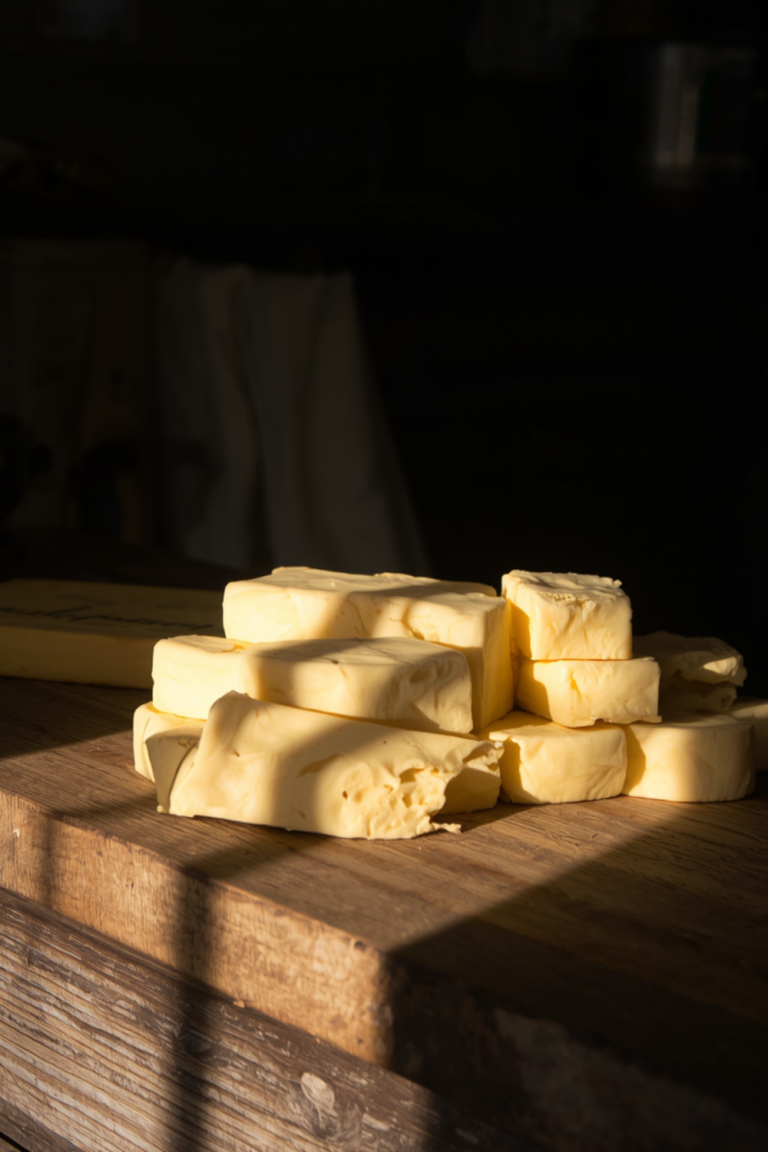
A properly aged cheese.
A long-simmered stock.
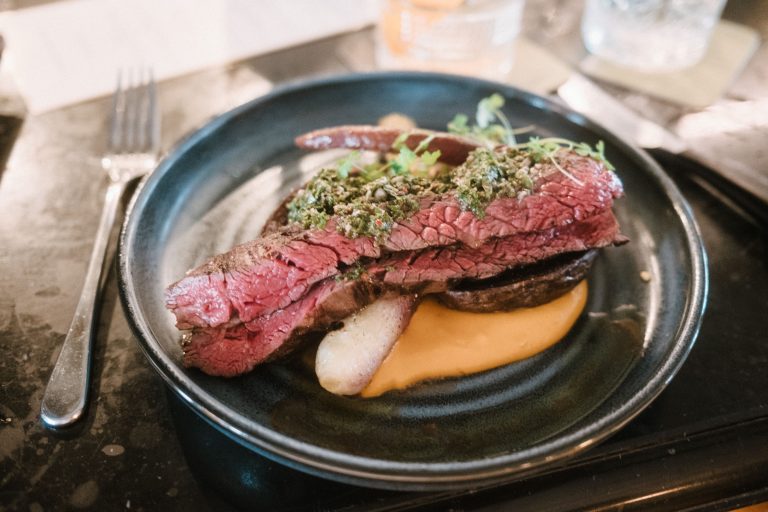
Roasted meat.
Caramelized onions.
Fermented foods.
Slow-cooked beans.
A pot of soup that’s been sitting in the refrigerator overnight.
Yesterday’s stew.
That last one is practically a love letter to chemistry.
You know how sometimes a stew tastes good when you make it, and then somehow tastes fucking fantastic the next day?
It’s not just your imagination.
Time allows flavors and compounds to interact, redistribute and develop. Kokumi is one piece of that bigger flavor picture.
And Then There Are Mushrooms
Which brings us back to chanterelles.
Mushrooms are fascinating little flavor factories. They bring earthy aromas, savory character, texture and compounds that can contribute to the overall impression of depth and complexity.
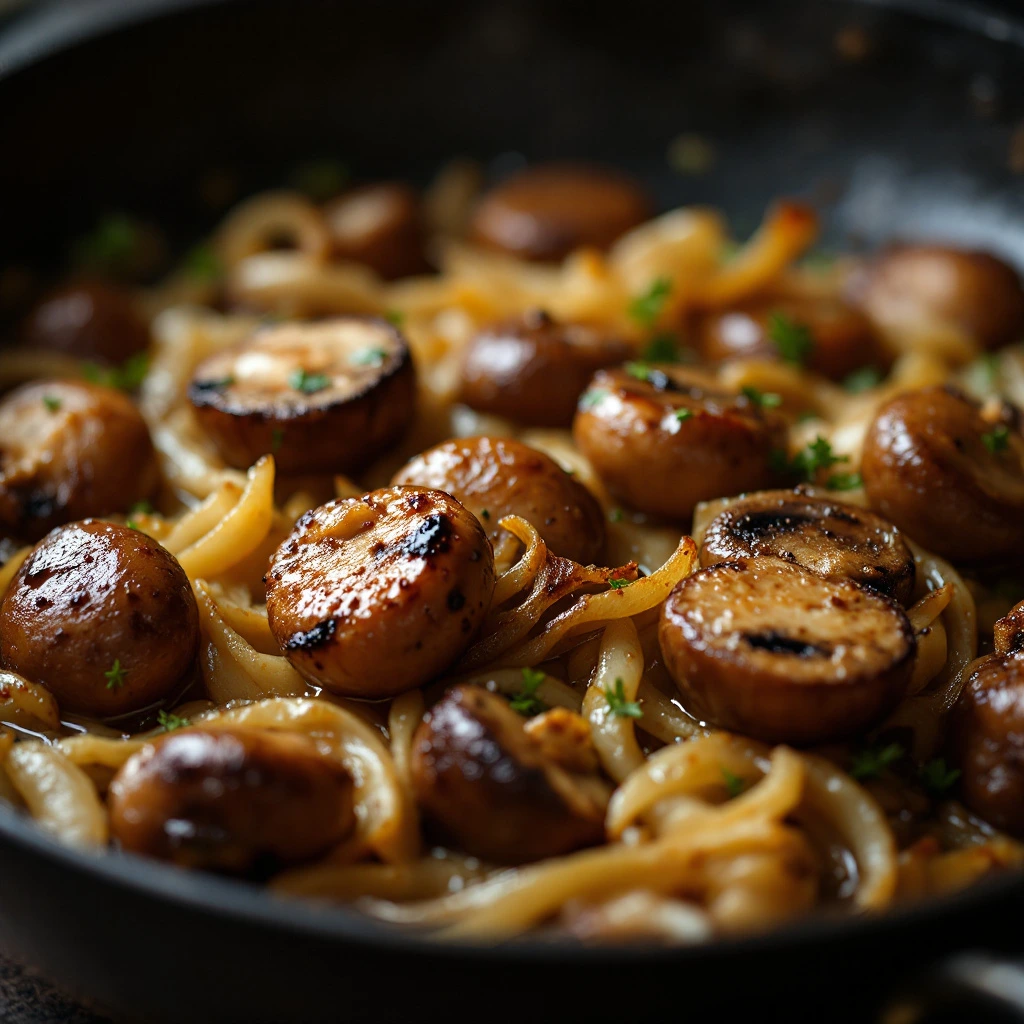
And when you cook mushrooms properly—especially when you brown them instead of steaming the poor bastards—you’re creating an entirely different flavor experience.
That’s because you’re not relying on one magic flavor molecule.
You’re building layers.
Dry the mushrooms.
Get the pan hot.
Let them brown.
Add butter.
Add garlic or shallot.
Deglaze.
Add herbs.
Maybe a splash of wine.
Maybe stock.
Maybe cream.
Now you’ve got umami, aroma, browned flavors, fat, acidity and all those little compounds contributing to a much bigger sensory experience.
That’s cooking.
Not throwing twenty ingredients into a pan and hoping for divine intervention.
So How Do You Create More Kokumi?
Here’s the part I really like.
You don’t need a bottle labeled KOKUMI™ sitting beside the salt.
You create it by building depth.
1. Brown Your Food
Maillard reactions create a whole collection of flavor compounds, including compounds that can contribute to kokumi-like richness and complexity.
So brown the onions.
Brown the mushrooms.
Brown the meat.
Brown the butter.
Don’t just heat shit until it’s technically cooked.
Give it some color.
Color is flavor.
2. Use Garlic and Onions
Garlic and onions were actually central to some of the original research into kokumi compounds. Glutathione and related compounds were identified in garlic and onion extracts and studied for their flavor-enhancing effects.
And really, is anyone surprised?
Put garlic and onions in almost anything and suddenly dinner has a personality.
3. Build a Good Stock
Stock is one of the easiest ways to add depth without dumping a bucket of salt into your food.
Bones, meat, vegetables, mushrooms and long cooking create a whole bunch of flavor interactions.
A good stock doesn’t necessarily scream, “I AM STOCK.”
It simply makes everything around it taste better.
That’s exactly the kind of supporting role kokumi plays.
4. Don’t Be Afraid of Fermentation and Aging
Cheese, fermented foods, yeast extracts and other aged ingredients can contain compounds associated with kokumi.
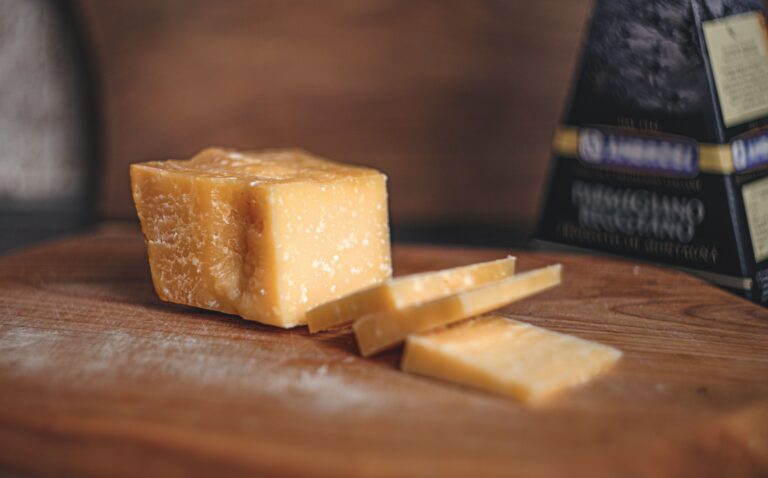
Parmesan is a beautiful example.
You aren’t just adding “cheese.”
You’re adding salt, fat, umami, aroma, amino acids and a shitload of complexity.
That’s why a little finely grated Parmesan can make a pot of soup suddenly taste like you know what you’re doing.
5. Use Mushrooms
Fresh mushrooms bring their own character.
Dried mushrooms are another weapon entirely.
Dried mushrooms can give you concentrated earthy, savory flavor, and mushroom stock or soaking liquid can add serious depth to soups, sauces, gravies and braises.
And chanterelles?
Treat the little bastards with respect.
Don’t drown them in a pan full of water.
Get them into a hot pan, let their moisture cook off, then let them brown.
Finish with butter.
Now we’re talking.
6. Give Your Food Time
This may be the biggest lesson.
Flavor needs somewhere to go.
A quick pan sauce can be fantastic.
But a sauce that’s reduced, rested and adjusted?
Different animal.
A soup that’s been simmered?
Better.
A stew tomorrow?
Usually better.
A stock made properly?
That’s the foundation of half the kitchen.
Slow cooking, reduction, aging and fermentation are all ways cooks have been creating complexity long before anyone put a scientific name on the sensation.
Kokumi Isn’t the Same Thing as Umami
This distinction matters.
Umami is one of the recognized basic tastes. Think glutamate and the savory quality associated with things like meat, mushrooms, tomatoes, Parmesan and certain fermented foods.
Kokumi is different.
It doesn’t necessarily give you a distinct taste of its own.
Instead, it can make existing flavors feel thicker, fuller, longer-lasting and more complex. Studies have found that kokumi substances can enhance perceptions of salty, sweet and umami tastes.
So if umami is turning up the volume…
Kokumi is making the entire fucking band sound better.
The Chef’s Shortcut
Here’s what I take away from all of this.
When something tastes flat, don’t automatically reach for more salt.
Ask yourself:
Does it need more depth?
Maybe it needs browned butter.
Maybe it needs caramelized onion.
Maybe it needs roasted garlic.
Maybe it needs mushrooms.
Maybe it needs Parmesan.
Maybe it needs a splash of wine.
Maybe it needs stock.
Maybe it simply needs another twenty minutes.
And sometimes?
It needs to sit overnight.
That’s one of the reasons experienced cooks can taste a dish and immediately start reaching for something without necessarily being able to explain why.
We’re not always thinking in chemical compounds.
We’re thinking:
“It’s missing something.”
Kokumi may be one of the things we’ve been sensing all along.
And That’s What I Love About Cooking
There are still things happening in food that can make a lifelong cook stop and say:
Wait. What the hell is THAT?
Kokumi is one of them.
It’s not a magic ingredient.
It’s not another trendy powder you need to buy.
It’s a reminder that great food isn’t just about adding flavors.
It’s about building them.
Brown things.
Reduce things.
Roast things.
Ferment things.
Age things.
Make stock.
Use garlic.
Use mushrooms.
Let onions get properly caramelized instead of standing over them after six minutes whining that they’re taking too long.
And pay attention to what happens when all those things come together.
Because sometimes the best flavor in the kitchen isn’t the loudest one.
Sometimes it’s the one that makes everything else taste better.
That’s kokumi.
And apparently, I’ve been cooking with it for decades without knowing its damn name.
Want more of the stuff chefs know that recipes don’t tell you?
Grab my free Chef’s Tricks guide. It’s packed with the little techniques, shortcuts and flavor tricks that can make a ridiculous difference in your cooking.